SUN · 2:00pm
Ojuha: Indigenous Connection to COLOR
Sunday, June 21 at KANEKO, Omaha
About
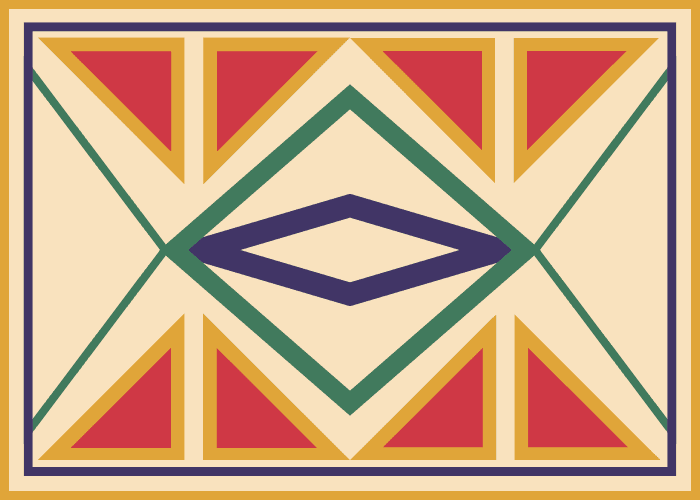
For hundreds of years, Native American tribes of the Plains, Plateau, and Basin regions crafted containers from hard animal skin. This untanned, natural skin — sourced from deer, elk, and buffalo — is known as rawhide. The designs painted on these containers were representational, geometric, and abstract, each rich in meaning and unique to specific regions and tribal nations. They told creation stories, conveyed star knowledge, expressed spiritual beliefs, and embodied virtues and values. Certain designs were particular to individual Tribal Nations, Indigenous families, women's guilds, and men's societies across the different regions.
What to expect
This KANEKO workshop focuses on hard, untanned animal skin known as rawhide, traditionally sourced from deer, elk, and buffalo. Participants can expect an arts-and-culture program that connects color, design, material, and meaning, including how painted rawhide containers were used to hold spiritual items, feathers, food, clothing, medicines, tools, weapons, and other everyday essentials.
Why go
Ojuha: Indigenous Connection to COLOR offers a grounded way to learn about Indigenous visual traditions through the specific forms and functions of rawhide containers. The workshop highlights how designs were not merely decorative, but were connected to stories, knowledge systems, beliefs, and community identities across different regions and tribal nations.
Where
KANEKO · 1111 Jones St · Old Market, Omaha NEOpen in Maps